

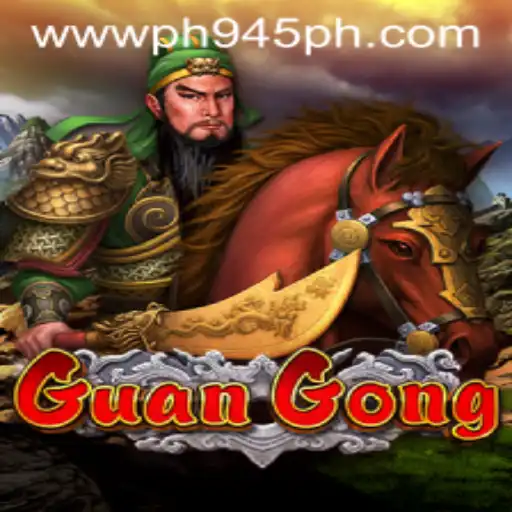

Explore the fascinating world of GuanGong, a captivating game that merges historical intrigue with strategic gameplay. Learn about its unique rules and how it reflects current events.
Unveiling the Secrets of GuanGong: A Strategic Odyssey
Introduction to GuanGong
GuanGong is a captivating game that has captured the imagination of players worldwide. Named after the famous Chinese general Guan Yu, the game combines elements of strategy, history, and culture, creating an experience that is both intellectually stimulating and entertaining. Its emergence into the gaming scene marks a significant evolution in how historical narratives are incorporated into interactive entertainment.
The Essence of GuanGong
At the heart of GuanGong lies its unique ability to blend storytelling with intricate gameplay mechanics. Players are transported into the world of ancient China, where they must navigate through a landscape filled with treacherous alliances, tactical battles, and diplomatic negotiations. The game's design is rooted in historical accuracy while allowing for creative freedom, enabling players to rewrite history in their favor.
Gameplay Mechanics
The gameplay of GuanGong is centered around strategic decision-making and resource management. Each player assumes the role of a warlord with the ultimate goal of unifying the fragmented territories of ancient China. As they expand their influence, players must balance military campaigns with internal governance, ensuring that their armies are well-equipped and their populace is content.
Resource Management
One of the core mechanics of GuanGong involves meticulous resource management. Players must efficiently allocate their resources, such as food, gold, and manpower, to maintain a thriving kingdom. The game's real-time resource system challenges players to anticipate shortages and plan long-term strategies for economic growth.
Battle Systems
Combat in GuanGong is driven by a turn-based system that emphasizes strategy over brute force. Players are required to carefully position their units, leveraging terrain advantages and unit synergies to outmaneuver their opponents. The dynamic battle environments reflect real-world geographical considerations, adding an extra layer of depth to each encounter.
Rule Structure
The rules governing GuanGong are designed to foster both competitiveness and collaboration. At the start of the game, players select their faction—each with unique strengths, weaknesses, and historical backgrounds. This choice influences their strategic approach throughout the game.
Turn Phases
Each game round consists of several phases, including diplomacy, resource allocation, and military maneuvers. During the diplomacy phase, players can negotiate alliances, trade resources, and forge pacts that may alter the course of the game. The resource allocation phase demands careful planning, as players distribute resources to various sectors such as military, infrastructure, and technology.
Technology Development
Technological advancements play a crucial role in gaining a competitive edge. Players invest in research to unlock new units, enhance existing capabilities, and discover innovative strategies. The branching tech tree offers multiple paths, encouraging players to adapt their tactics based on their chosen faction and opponents' moves.
Incorporating Current Events
GuanGong's appeal extends beyond its historical setting, as it mirrors contemporary global dynamics in intriguing ways. The game's focus on resource allocation reflects current discussions about environmental sustainability and economic planning. Just as players in GuanGong must manage their kingdoms' finite resources, world leaders today grapple with challenges related to resource distribution and climate change.
The diplomatic mechanics of GuanGong also parallel modern geopolitical interactions. The negotiation strategies employed by players reflect the complex relationships between nations, where alliances can shift rapidly based on perceived threats and opportunities. This feature resonates with the ever-changing landscape of international relations, making the game relevant to both historical enthusiasts and those interested in contemporary politics.
Conclusion
GuanGong offers a unique blend of historical immersion and strategic gameplay that is both educational and entertaining. Its intricate mechanics and thoughtful incorporation of real-world themes create a gaming experience that challenges players to think critically and adapt swiftly. As GuanGong continues to gain popularity, it stands as a testament to the enduring appeal of historically inspired gaming experiences.